resistance & capacitor objects
These objects are densely covered with capacitors and electrical resistors. They are beings whose skin is composed of these delicate technical components.
The title of the works is a play on words. On the one hand, it refers to the materials used—electrical resistors. On the other hand, the works stand for resistance against the destruction of nature and of the last remaining indigenous peoples of the world. They also call for resistance against the increasingly advancing process of digitalization. Digitalization itself is not rejected; it is good and important for the future. Rather, manual work and craft are meant to form a cultural counterbalance to swiping across a screen. Our hands create things; we have a desire to make and bring forth objects. This wonderful capacity is part of what it means to be human and is of immense importance to our existence.
Artistic and ritual objects have a long tradition in human history, and the way these works are made refers to archaic cultures. The work draws on traditional forms of making from various indigenous cultures; for example, many African communities work with shells or beads pressed into clay or resin mixtures. They demonstrate an excellent sense of color and composition. This technique is taken up by Sonja Keppler in her works, using contemporary materials such as electrical resistors and capacitors.
Often it is women who preserve culture through their manual labor. This culture must be preserved for future generations. The works can be interpreted in multiple ways: on the one hand, they function as a metaphor for a changing culture and the destruction of cultures through technological progress and capitalism; on the other, they honor the art and culture of both present and past peoples and communities. The sculptor aims to point toward a positive future in which technology and culture are harmoniously united.
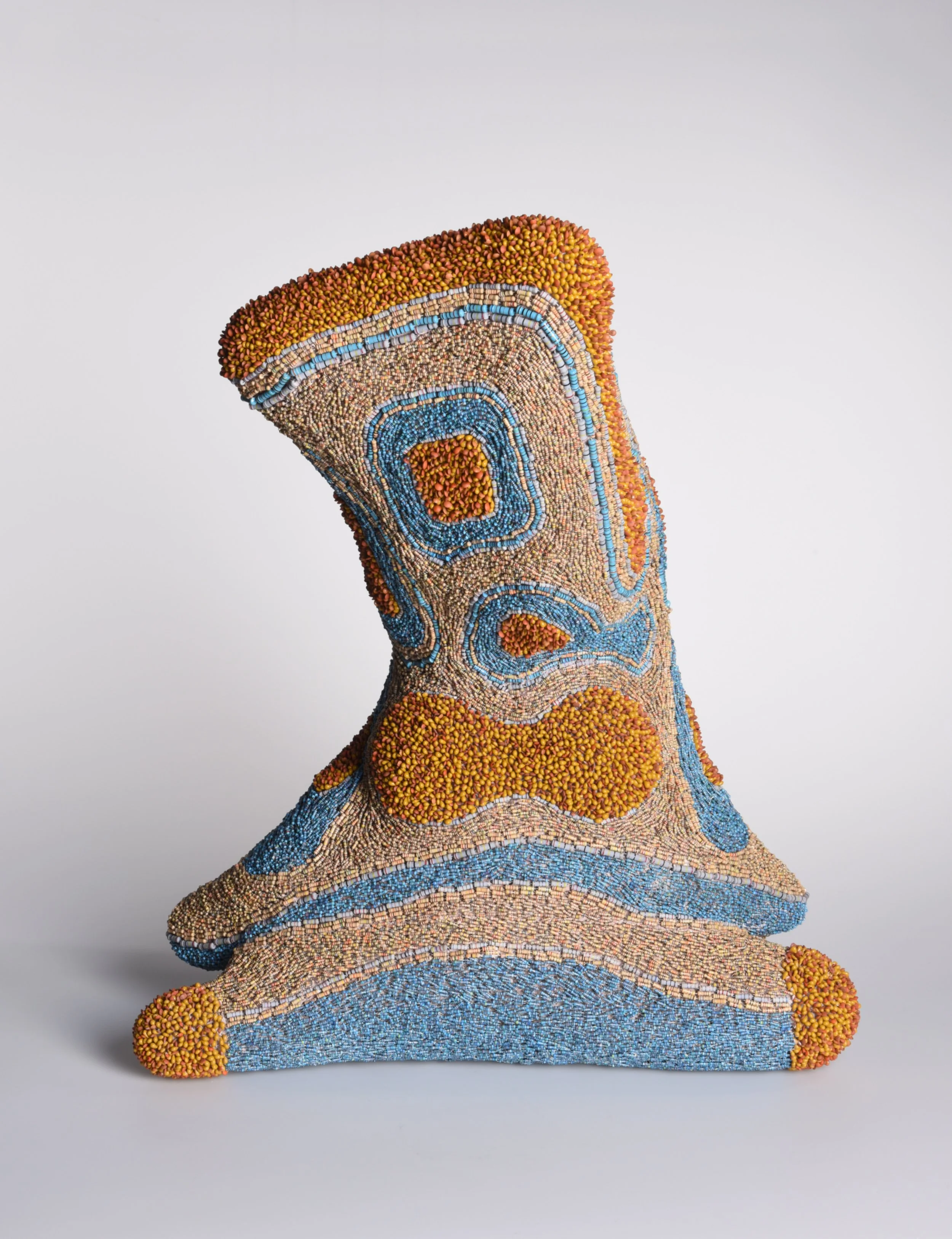
woman in resistance I, wire, papier-mâché, paint, resistors, capacitors, 50x45x45 cm, 2022
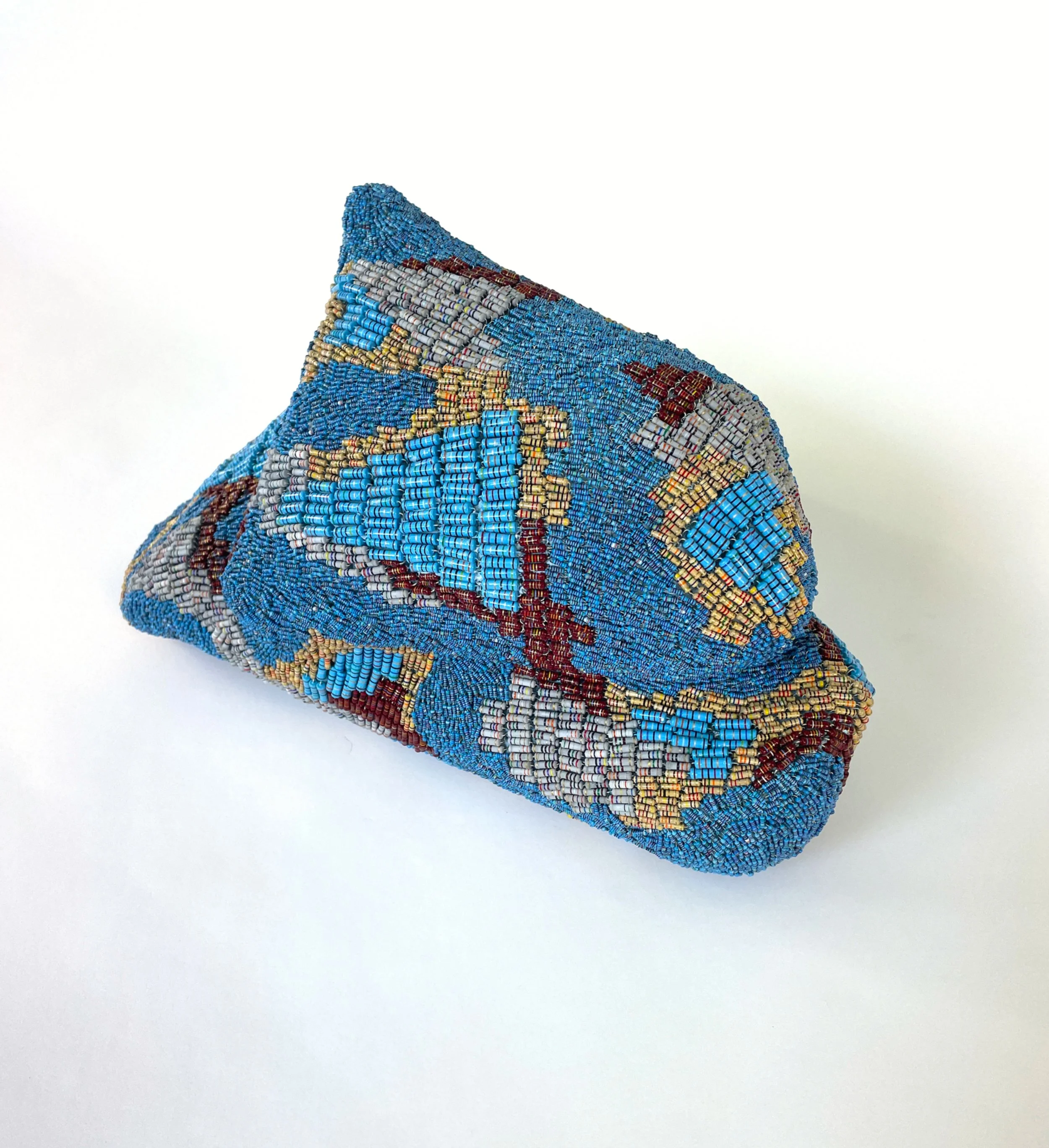
object of resistance III, wire, papier-mâché, paint, resistors, 50x33x33 cm, 2024
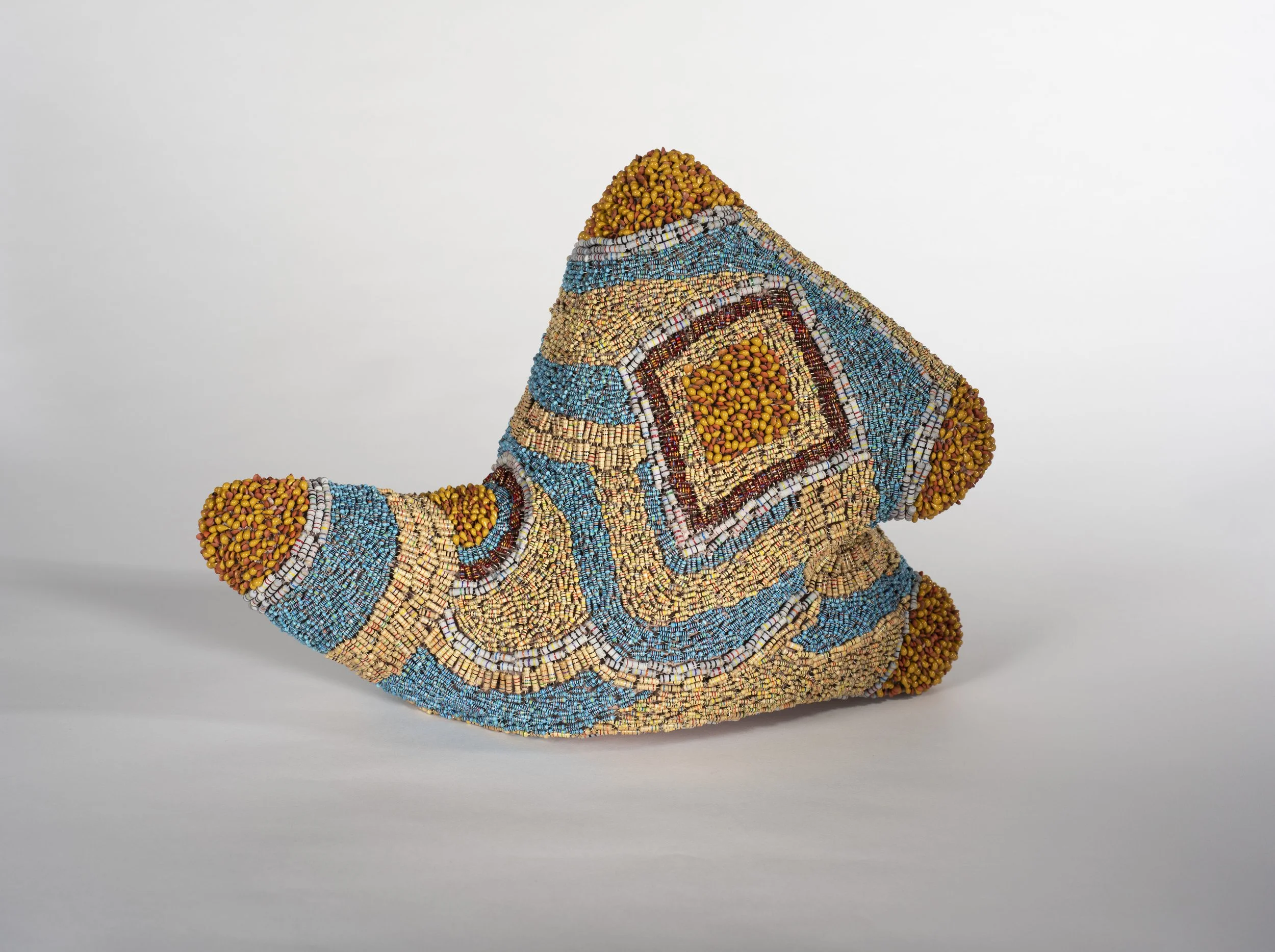
object of resistance II, wire, papier-mâché, paint, resistors, capacitors, 24x30x30 cm, 2021
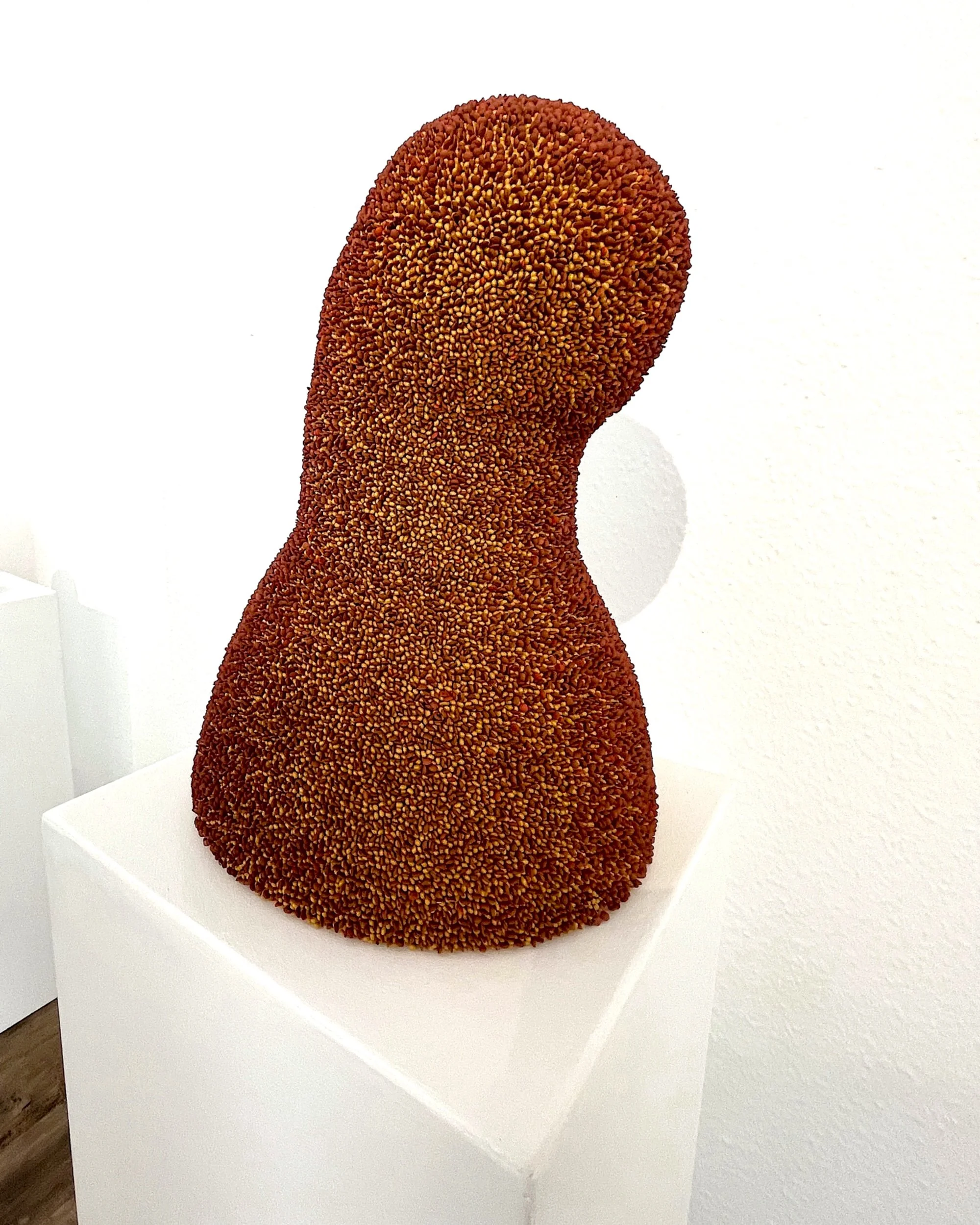
phrygian cap, wire, papier-mâché, paint, capacitors, 44x30x30 cm, 2025
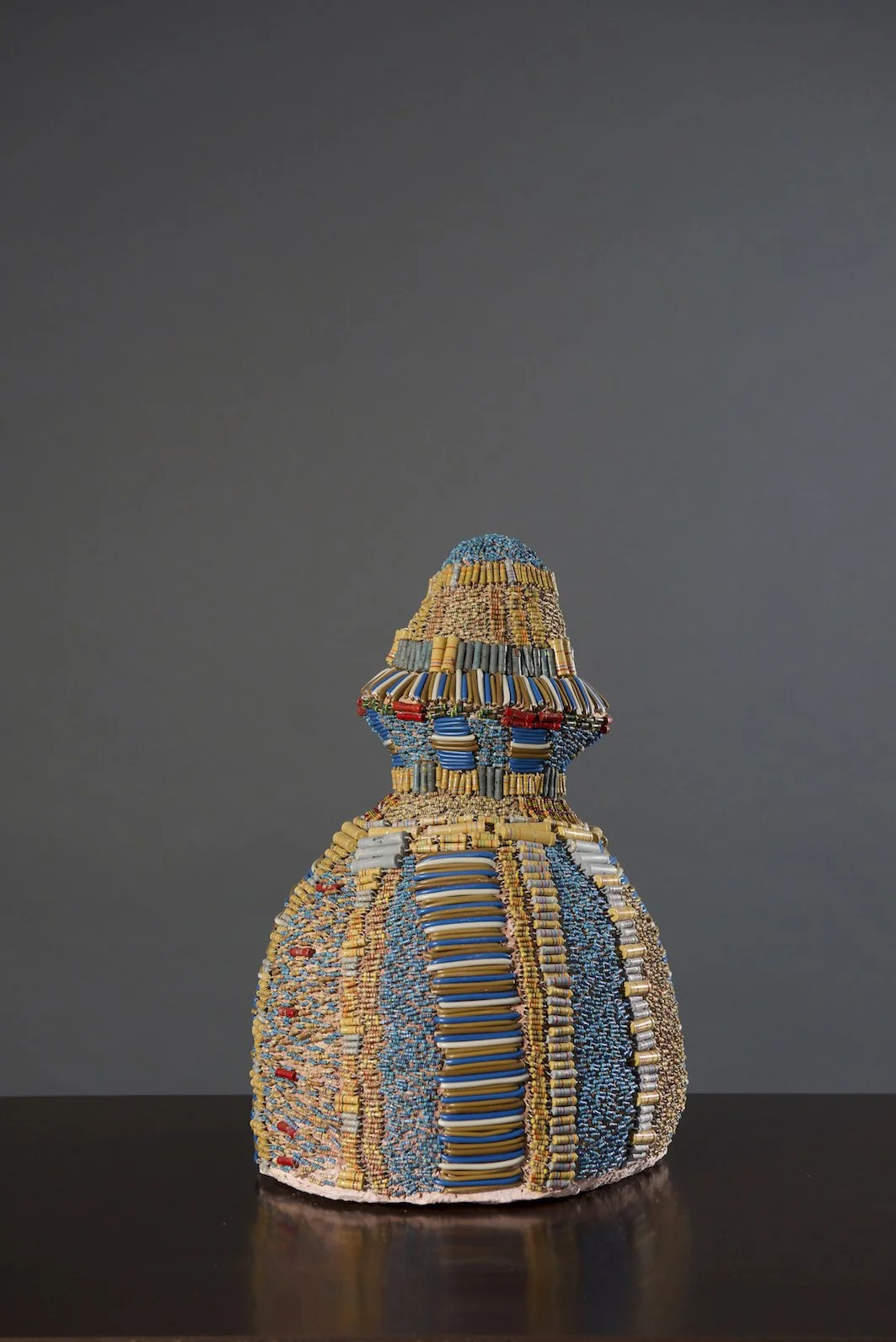
helmet of resistance II, wire, papier-mâché, paint, resistors, 32x27x27 cm, 2025
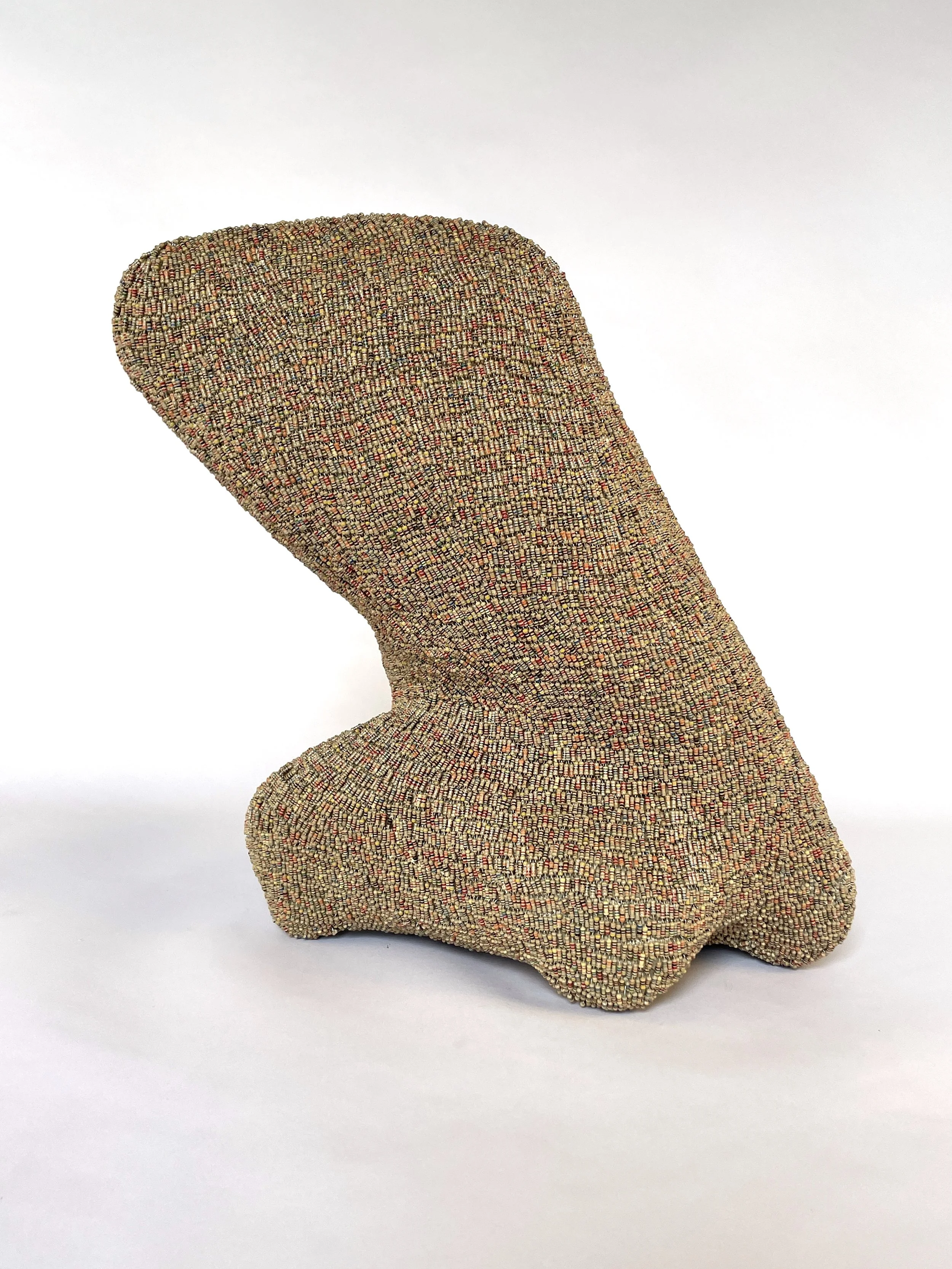
metamorphic being, wire, papier-mâché, paint, resistors, 32x31x25 cm, 2026
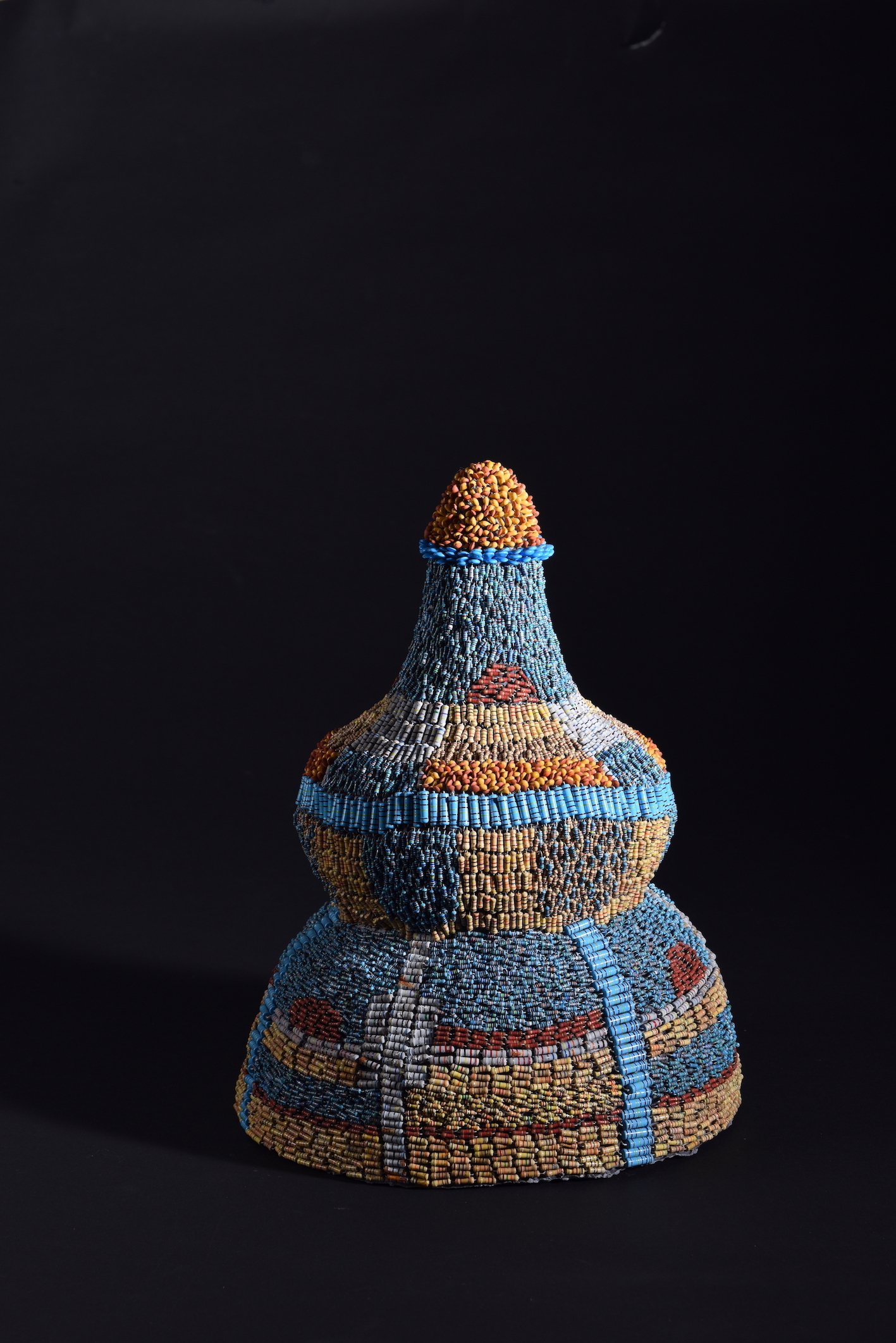
helmet of resistance III, wire, papier-mâché, paint, resistors, 30x20x20 cm, 2021